
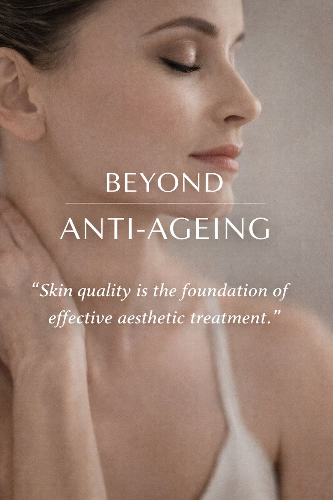
For years, aesthetic medicine has been framed around the idea of “anti-ageing.” The language suggests that ageing is something to fight, reverse, or correct. In reality, the skin doesn't respond well to being pushed or forced. What it responds to is support, structure, and regeneration.
At Skin & Joints, the focus is not on chasing youth, but on improving skin quality—because skin that functions well naturally looks healthier, firmer, and more resilient over time.
What Do We Mean by Skin Quality?
Skin quality refers to how the skin behaves and functions, not just how it looks on the surface. It includes factors such as:
- hydration and barrier function
- elasticity and firmness
- texture and pore appearance
- evenness of tone and pigmentation
- resilience and recovery
When skin quality is good, the complexion looks brighter, smoother, and more balanced. When it is compromised, signs often attributed to “ageing” appear earlier and more noticeably.
Wrinkles, laxity, pigmentation, redness, and uneven texture are often symptoms of declining skin quality rather than isolated problems to be treated individually.
Why “Anti-Ageing” Alone Falls Short
Traditional anti-ageing approaches tend to focus on isolated correction—treating lines here, volume loss there, pigmentation somewhere else. While these treatments can be useful, they are often less effective if the underlying skin quality has not been addressed.
For example:
- Adding volume to dehydrated, fragile skin rarely looks natural
- Tightening treatments on skin with poor elasticity give limited results
- Treating pigmentation without supporting barrier health can lead to recurrence
Without addressing the condition of the skin itself, results may be short-lived or require frequent intervention to maintain.
A Skin-First Approach
A skin-first approach starts by understanding how the skin is functioning, not just what it looks like. This means assessing:
- hydration levels
- collagen quality rather than just quantity
- barrier integrity
- inflammatory tendencies (redness, sensitivity, rosacea-prone skin)
- response to previous treatments
From there, treatments are selected to support regeneration, rather than override natural processes.
This is where skin quality becomes the foundation for everything else.
The Role of Regeneration
Regeneration is the skin's ability to repair, renew, and strengthen itself. When regeneration is supported, improvements tend to be more stable and natural-looking.
This is why many modern aesthetic approaches—particularly those influenced by Korean aesthetic medicine—prioritise:
- collagen stimulation rather than replacement
- gradual improvement rather than instant correction
- layered treatments rather than single solutions
- Regenerative treatments don't aim to freeze the face in time. Instead, they work with the skin's biology to improve how it behaves and ages.
Why Korean Skin Protocols Emphasise Quality
Korean aesthetic medicine places a strong emphasis on skin health before correction. Rather than treating ageing as a defect, it is approached as a process that can be managed through:
- careful sequencing of treatments
- consistent support of the skin barrier
- controlled stimulation with adequate recovery
- avoidance of over-treatment
This philosophy is why Korean protocols often combine technologies, skincare, and injectable treatments in a structured way—each step supporting the next rather than competing with it.
The goal is not dramatic change, but refined, resilient skin that ages well.
Where Injectables and Devices Fit In
Injectables and energy-based devices absolutely have a role in improving skin quality—but only when used with the right intention.
Rather than being used solely to correct visible signs of ageing, they can be selected to:
- stimulate collagen production
- improve tissue quality
- support skin firmness and structure
- enhance skin texture and tone
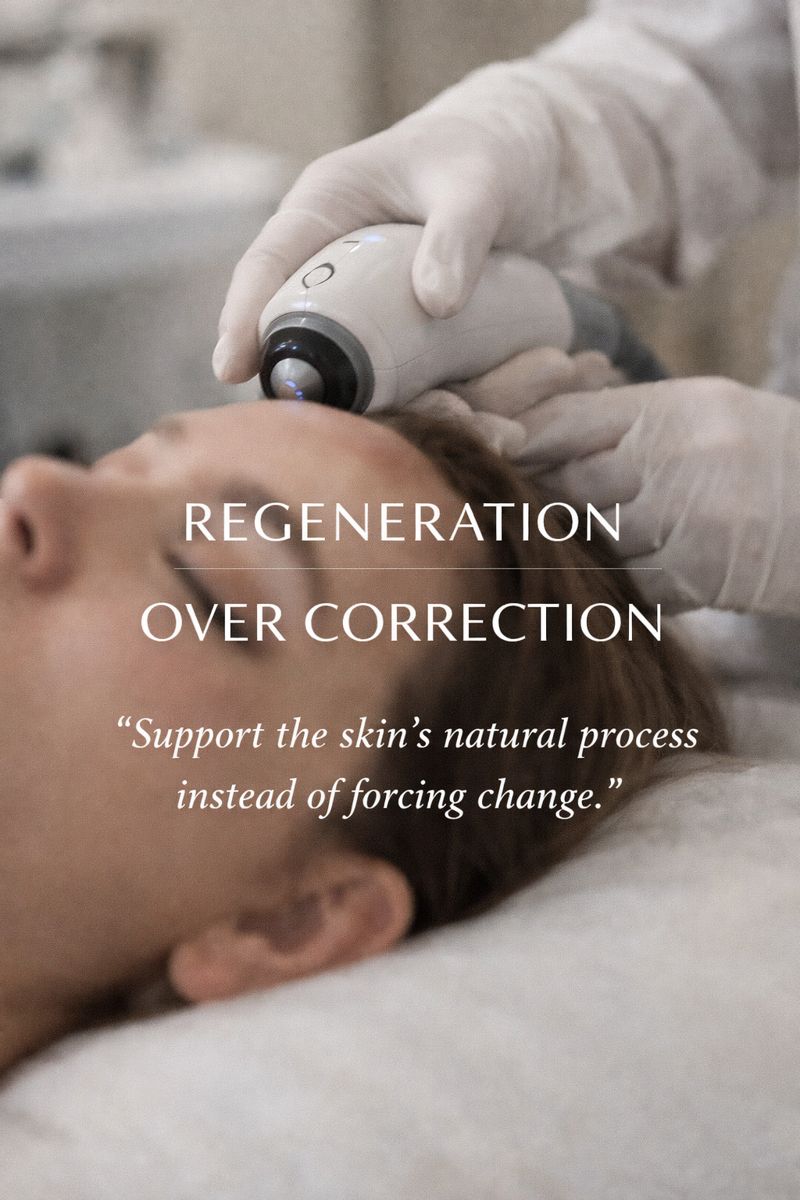
When treatments such as injectables, laser therapies, HIFU, or RF microneedling are used within a broader skin quality strategy, results tend to look more natural and last longer.
Why One Treatment Is Rarely the Answer
Skin concerns rarely exist in isolation. Pigmentation, laxity, texture changes, and redness often coexist because they share underlying causes such as inflammation, collagen loss, or barrier disruption.
This is why a single treatment—no matter how advanced—rarely solves everything.
A protocol-led approach allows treatments to work together,
each addressing a different aspect of skin quality.
Importantly, this does not mean constant treatment. It means thoughtful planning, appropriate spacing, and allowing the skin time to respond and recover.
What to Look for in a Skin-Quality-Focused Clinic
If improving skin quality is the goal, it's worth looking for a clinic that:
- prioritises assessment over selling treatments
- explains why a treatment is recommended
- avoids over-correction and unnecessary intervention
- understands regeneration, not just aesthetics
- values skin health as much as appearance
The way a clinic talks about skin is often a good indicator of how it treats it.
In Summary
Skin quality is not a trend—it is the foundation of effective aesthetic treatment. When skin is healthy, balanced, and supported, it naturally looks better at every age.
Rather than focusing on “anti-ageing,” a skin-quality-led approach shifts the emphasis toward:
- regeneration
- resilience
- structure
- long-term skin health
This approach may be quieter and more gradual, but it is also more sustainable—and ultimately more rewarding.
Thoughtful treatment planning, not aggressive correction, is often what creates the most natural and lasting results.